Catalog of articles from Saltair Wayfaring
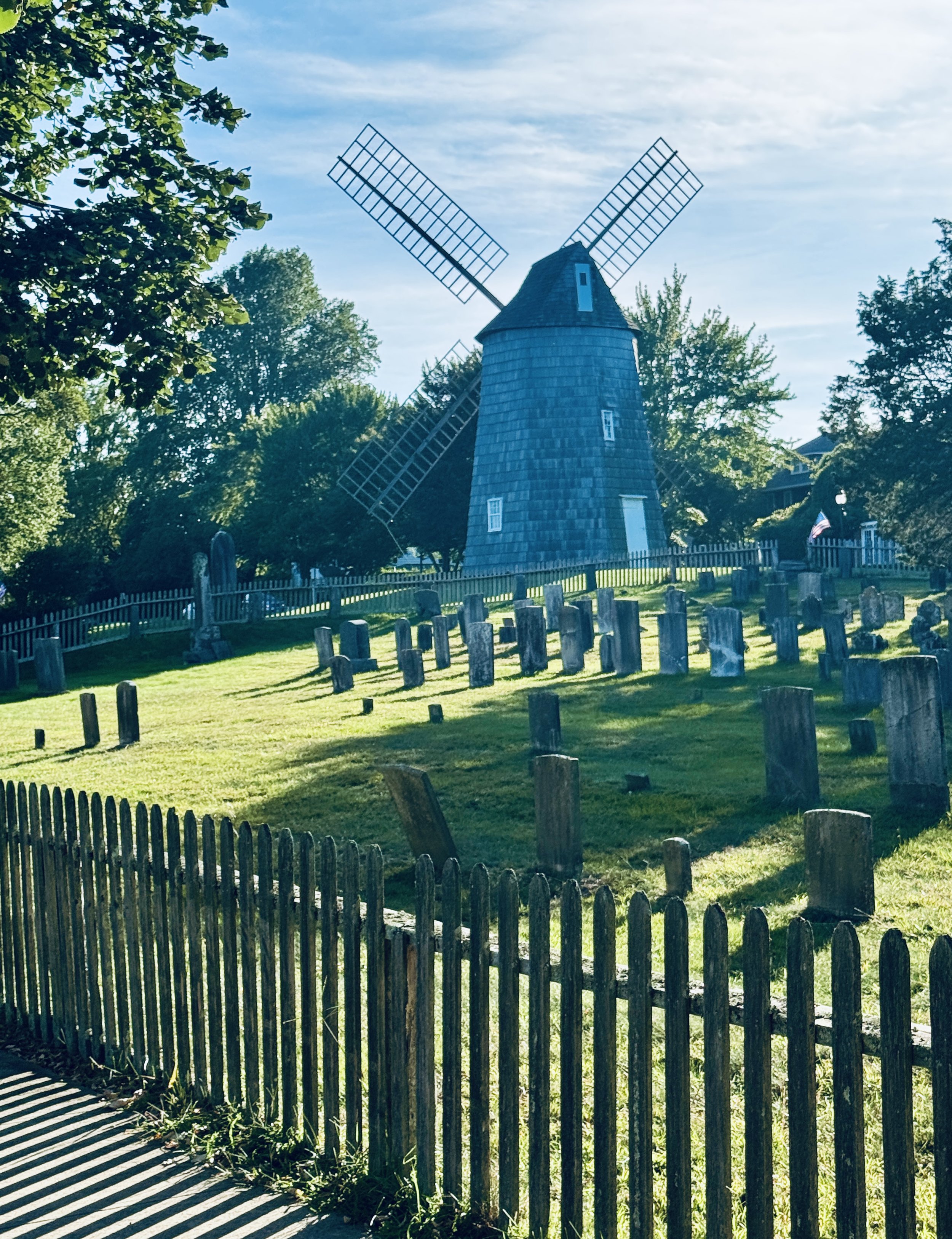
An Essay in Molinology - The Dominy Craftsmen and the Smock Windmill Tradition on Eastern Long Island, New York, 1976
Way back in 1976, when I was a few years out of college living in New York, my mother called — excited about her master's thesis on Hook Mill and the Dominy windmill tradition. She was just starting on her path of exploring the history of East Hampton, through an architectural historian’s eye.
I recently read it again, preparing a windmill series drawn from her thirty years of talks, columns, and walking tours.
What amazed me was how discerning her eye already was. She saw that roof-caps carried regional signatures — Cape Cod, East Anglia, Kent each had their own. And looking at Dominy mills, she posits that they too designed a signature cap.
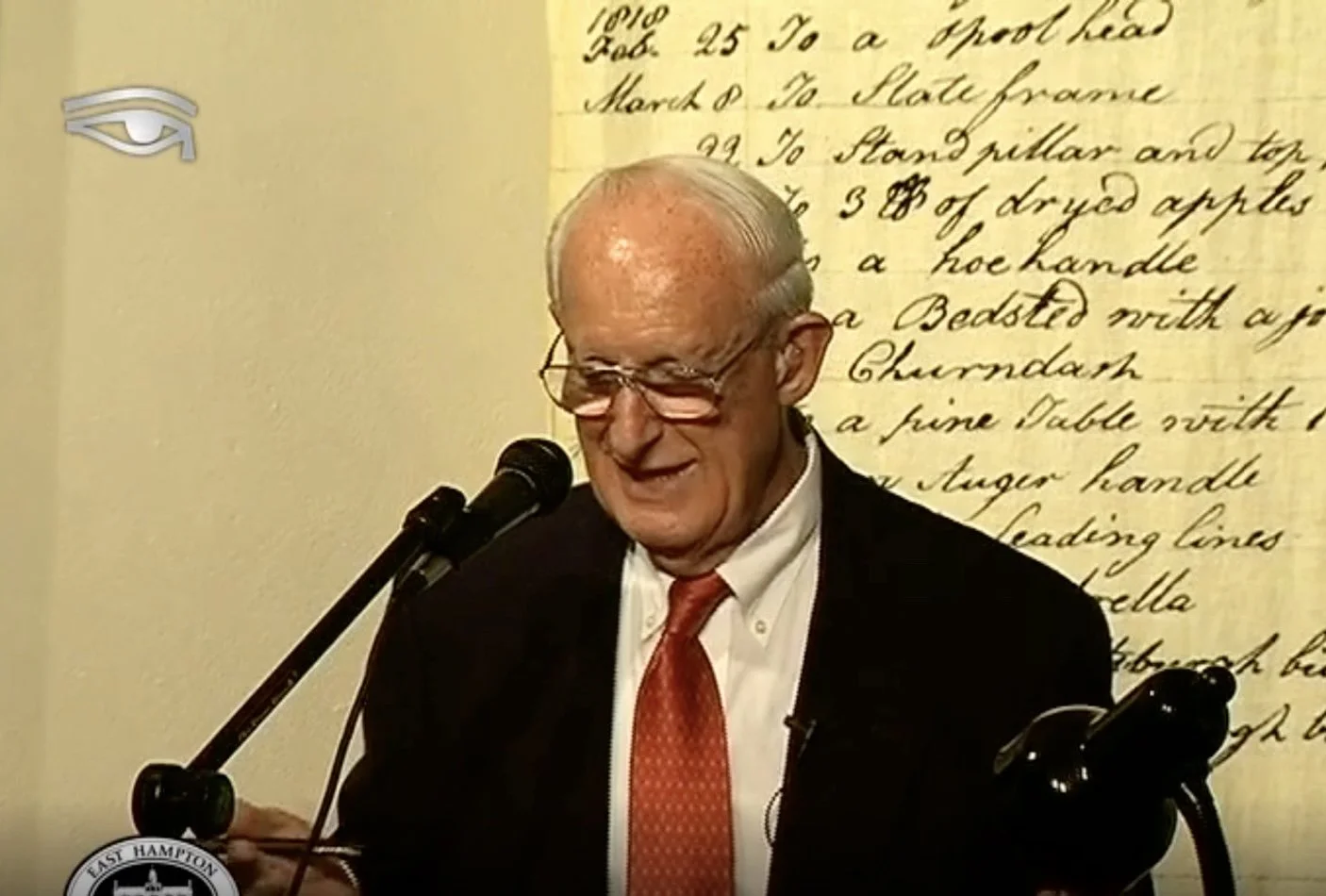
Occupation, Not Submission: New Research on Nathaniel Dominy IV, Patriot and “Holding the Flank”
I had gone to Middletown, Delaware in November 2023 on the invitation of Charles Hummel, Curator Emeritus at Winterthur Museum, with a notebook full of questions about furniture — specifically, the pieces Nathaniel Dominy V made for my 4th great-grandfather Lt. Abraham Sherrill after the war.
But what Charlie most wanted to share was his recent research into what a Dominy and a Sherrill ancestor had actually done during the Revolution.
It’s an exciting, consequential story….
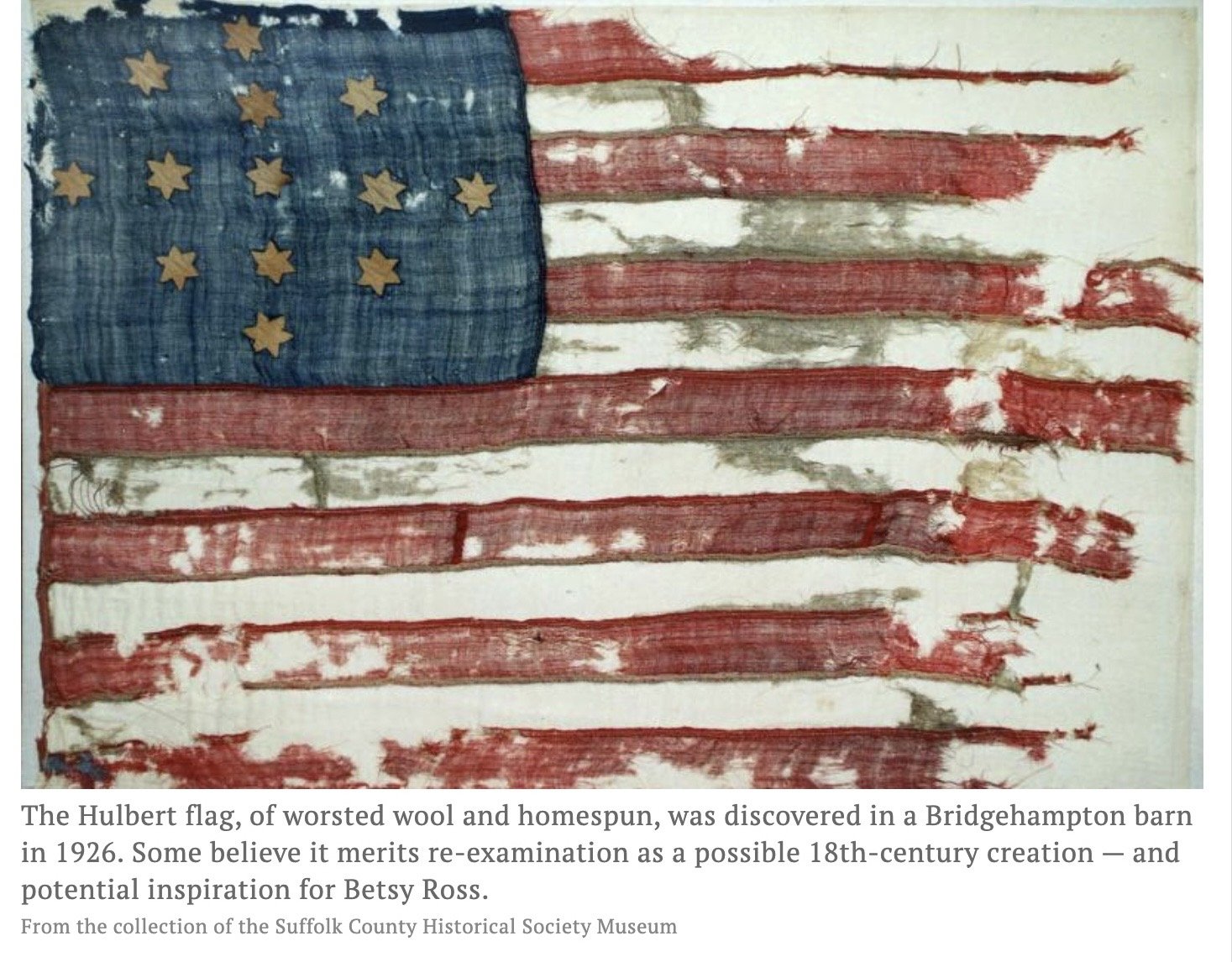
Two Sherrill Brothers Serving in the Revolution: What Life Was Like
Growing up, I was fascinated by a deed hanging on my grandparents' wall—signed by Lt. Abraham Sherrill in 1792. That was the date he purchased what became our family farm.
But what did he do in the Revolution? And what about his older brother Recompence?
I went digging through pension applications and refugee records. What I found: two brothers, one cause, two very different wars.
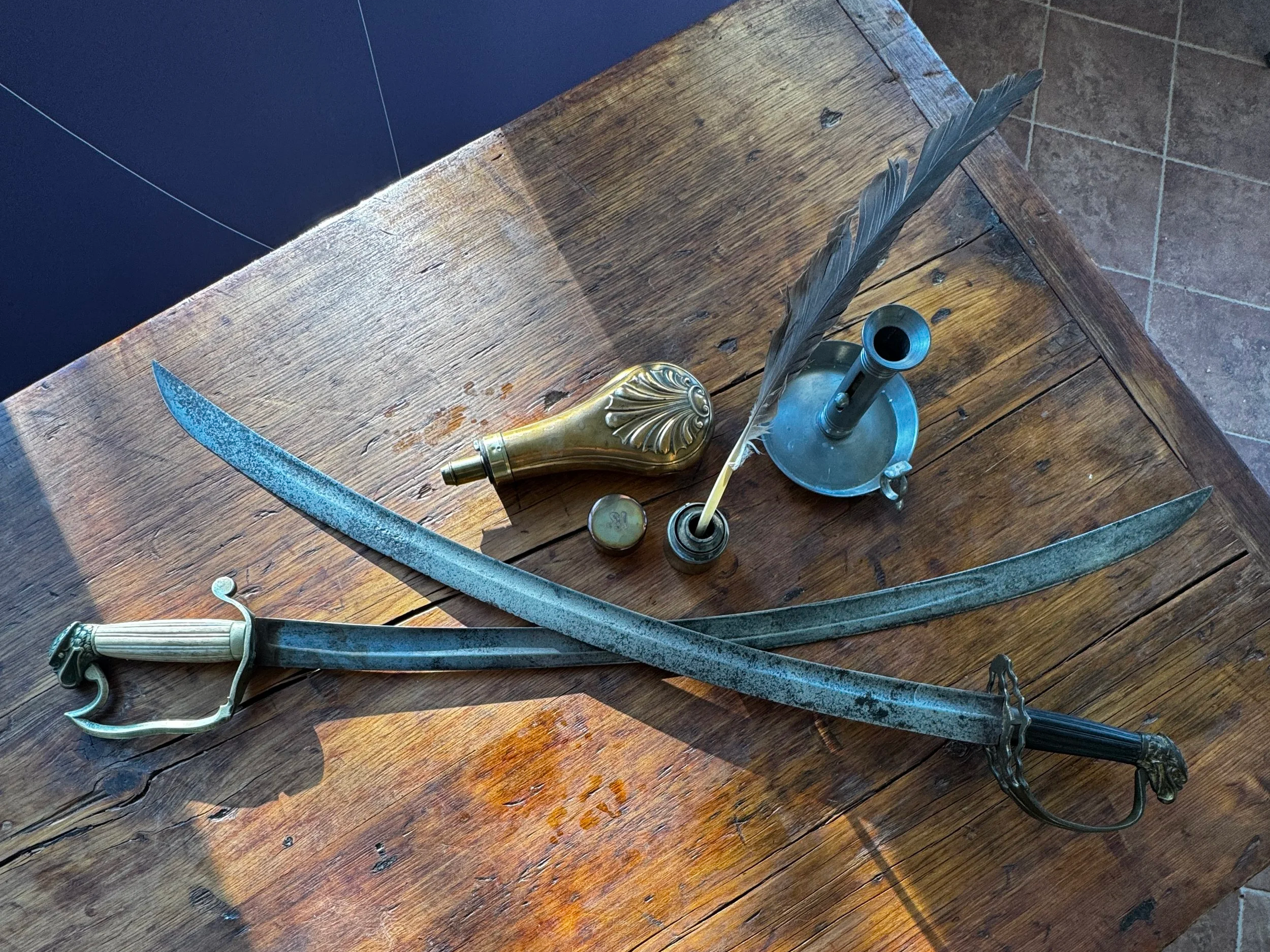
Musters, Networks and Barter Before the Revolution
I found something that my mother wrote in 1994 for her column "Around the Green" in the Independent—or "The Indy," as she called it.
It was her Fourth of July article – it made sense to her to reach back into history to show how independence was built not just in 1776, but across generations interconnected colonial life.
Militia training on village greens, ship captains moving goods across the Sound, networks of credit and debt—these are the foundations that made the refugee evacuation of 1776, and our ultimate victory possible.
I’ve given it the title "Musters, Networks and Barter Before the Revolution”"—because that's exactly what it shows us.
Enslaved People During the Revolution
I'm continuing the East Hampton and the Revolution series with an essay my mother wrote that was published in Tom Twomey's 2014 book Revealing the Past. Tom had specifically remembered her essay and asked me to send it to him.
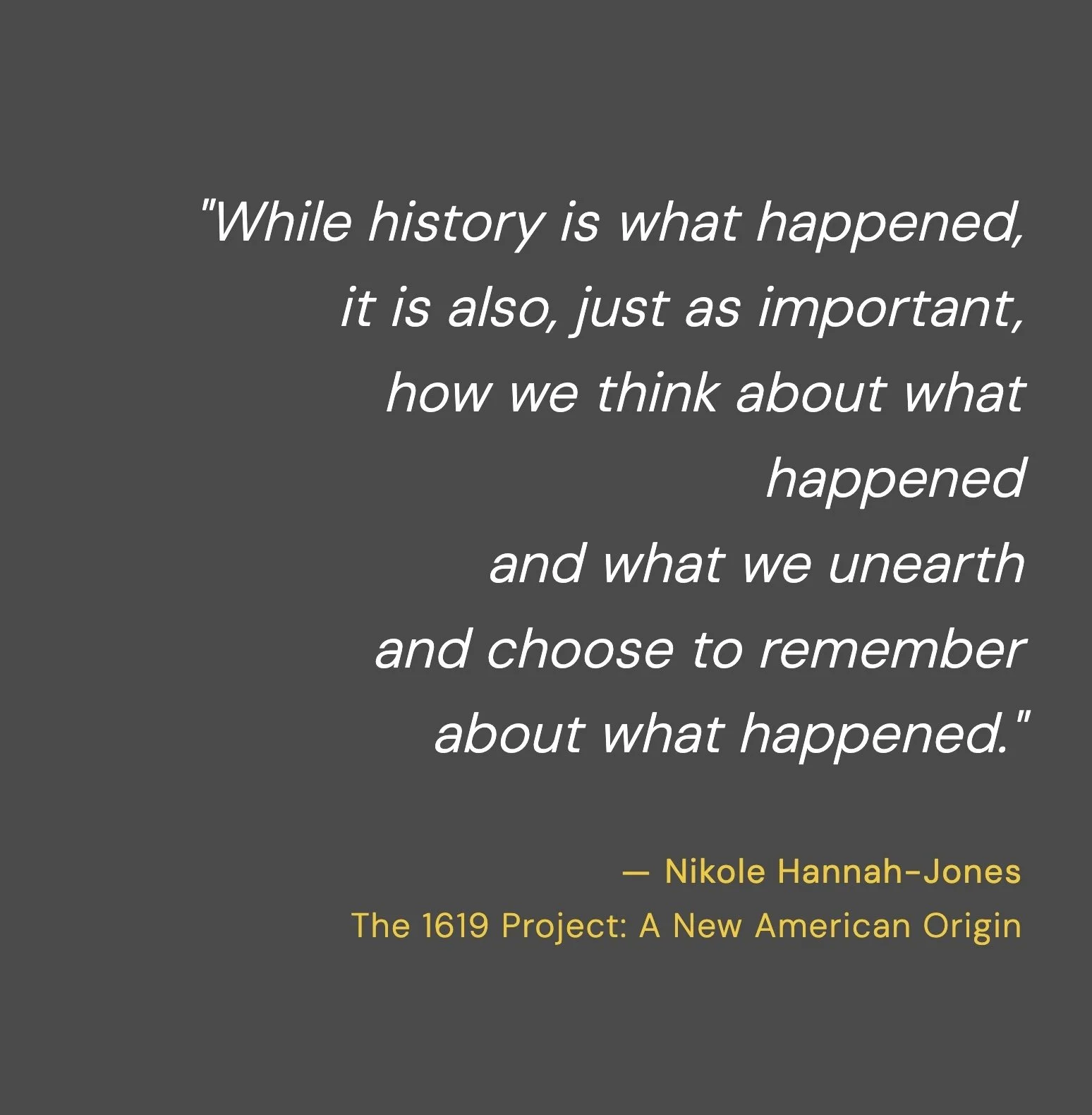
This piece is vintage Sherrill Foster: she was drawn to lives that have often been overlooked or erased. She documents that 5% of East Hampton's 1776 population were enslaved people, identifies which families held them (merchants, weavers, tailors, even the minister),
This is where she found Jack, Jree, Prine and Eber
Then she follows the path from household enslavement through gradual emancipation, and for some, to the Montaukett community at Indian Field.
The essay builds to a devastating conclusion about what happened at Indian Field in the 1880s—a story she refused to let disappear.
The Hazardous Adventures of the Refugees of 1776 - II
Now I continue with the second part of The Hazardous Adventures of the Refugees of 1776, by Sherrill Foster, an unpublished essay of 1998 I discovered in her files.
The first part of Sherrill Foster’s essay was about "how do you actually move 1,124 people?”
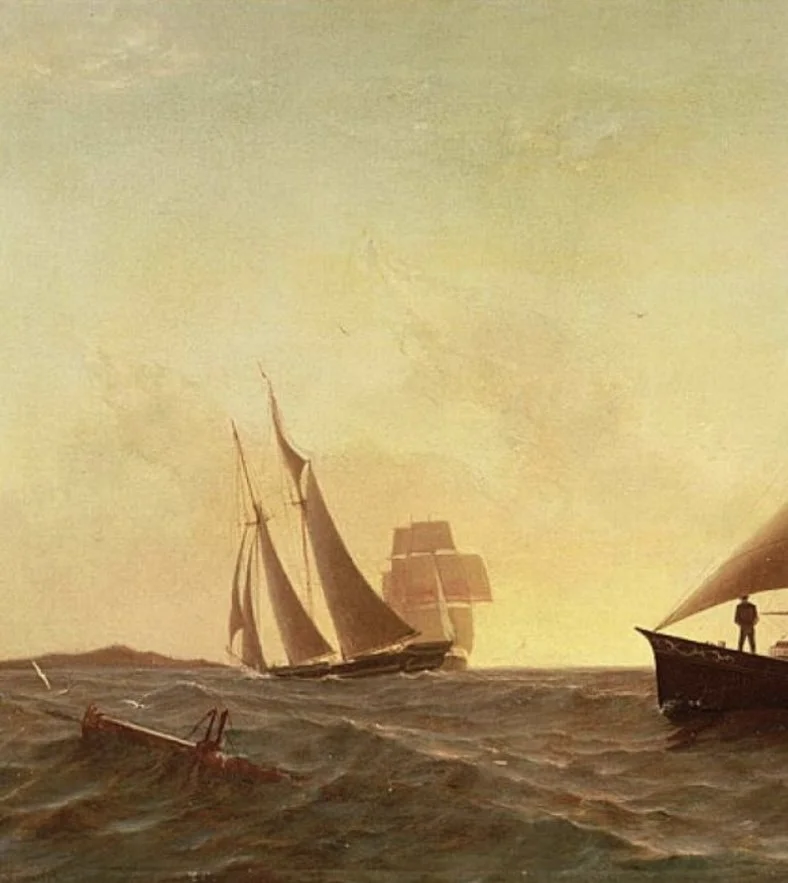
Part II is about "what happened to them” during seven years of exile, and what did their choices about return reveal? She focuses on individual family stories, life under British occupation, coastal raids, whale-boat warfare, the families who returned from refuge.
Here’s what happened…..
The Hazardous Adventures of the Refugees of 1776 - I
I am honoring our Semiquincentennial with essays by my mother about the Revolutionary War as Long Islanders actually experienced it.
An earlier essay was Long Island after the Battle: What Happened Here? – the battle that triggered seven years of occupation
Now I’ll post her The Hazardous Adventures of the Refugees of 1776, in two parts I and II.
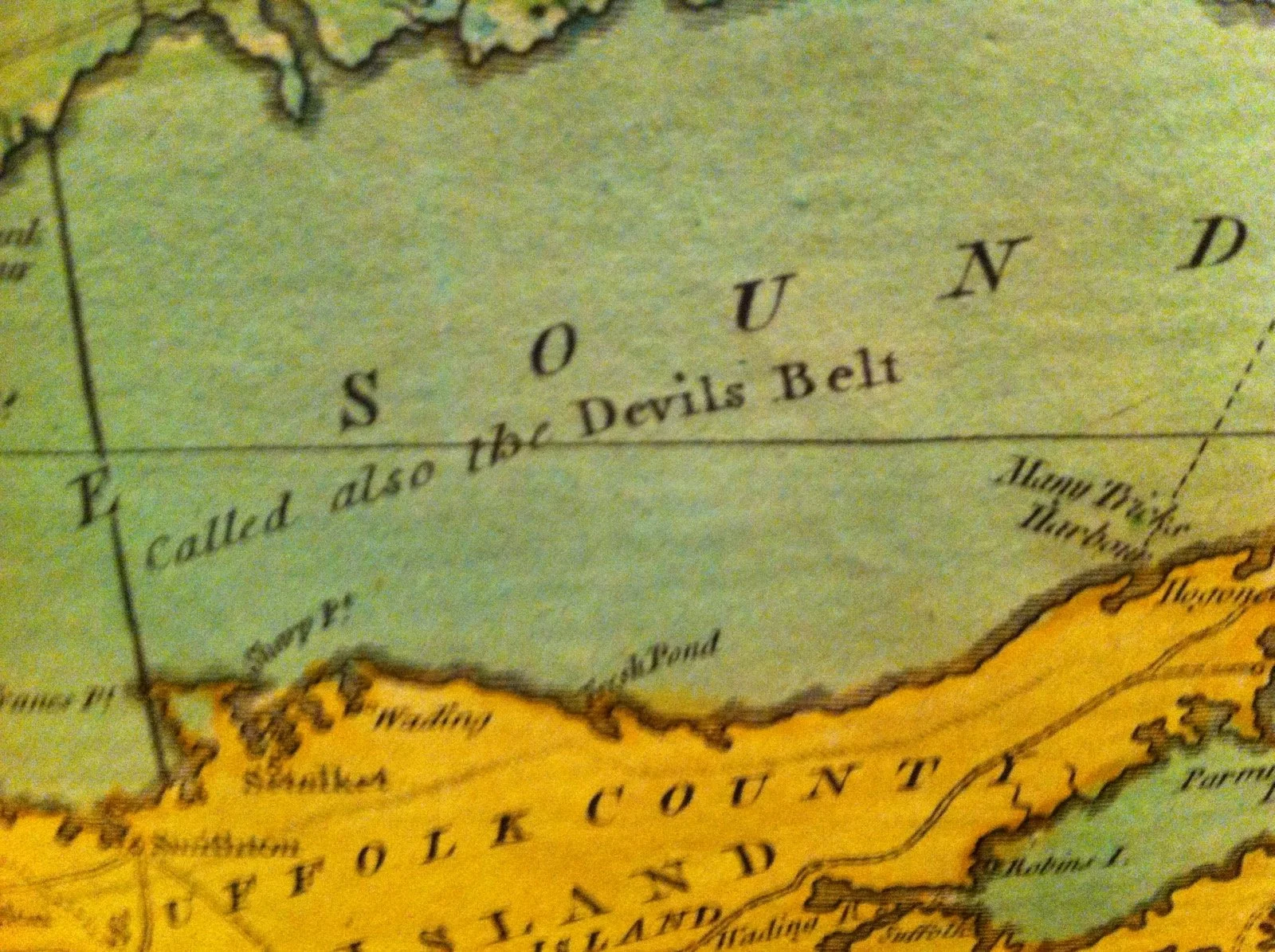
This unpublished essay of 1998 which I found in her files, exemplifies her approach to historical writing– understanding our history not through battles, but through stories in the refugee claims filed by ship captains and displaced families. Over 1,100 residents fled across the Sound while the British occupied towns and patrolled the waters.
What was that like? She reveals it.
Thirty Ships in Gardiner's Bay: A Talk by Sherrill Foster, 2005
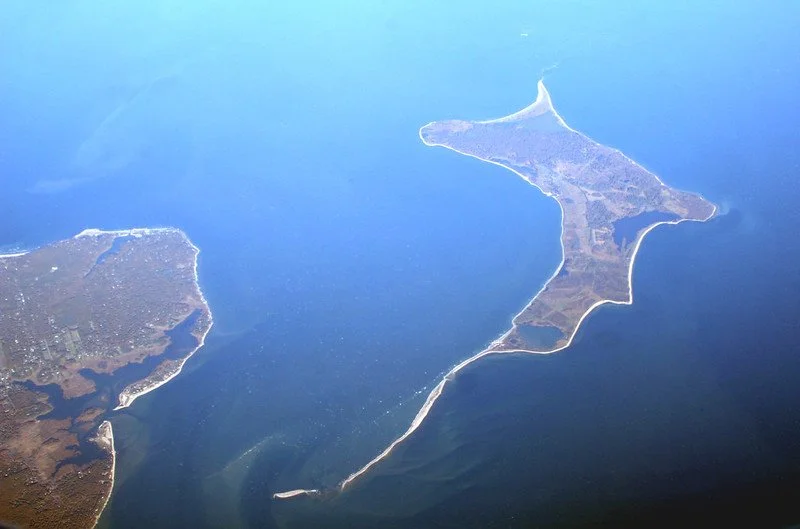
In the Revolution, with British troop ships advancing into east end waters, what happened to Gardiner’s Island?
Sherrill Foster explored that question in one of her Around the Green columns, and in December 2005 she presented her ongoing research to the East Hampton Town Board.
She asks questions and pulls threads from documents. You will meet Jerusha Buell Gardiner and her four-year-old son John Lyon, discover what the British demanded of those who remained, and learn what that meant for the Island.

Long Island after the Battle: What Happened Here?
My mother was drawn to the details of lived history —the recruitment incentive of clothing that changed three times in one year, the names of nine Long Island physicians who left their communities to serve in military hospitals, the specific Connecticut towns where 4,000 refugees would soon land. She had the insight to look at what's been overlooked – overshadowed by the grand narrative of military victories.
She understood how strategically important Long Island was—its resources, its harbors, its location. But she also understood our vulnerability. My mother, a sailor, would have immediately grasped the truth of one historian's observation: "the eastern tip of Long Island posed few obstacles to a sailing army.”
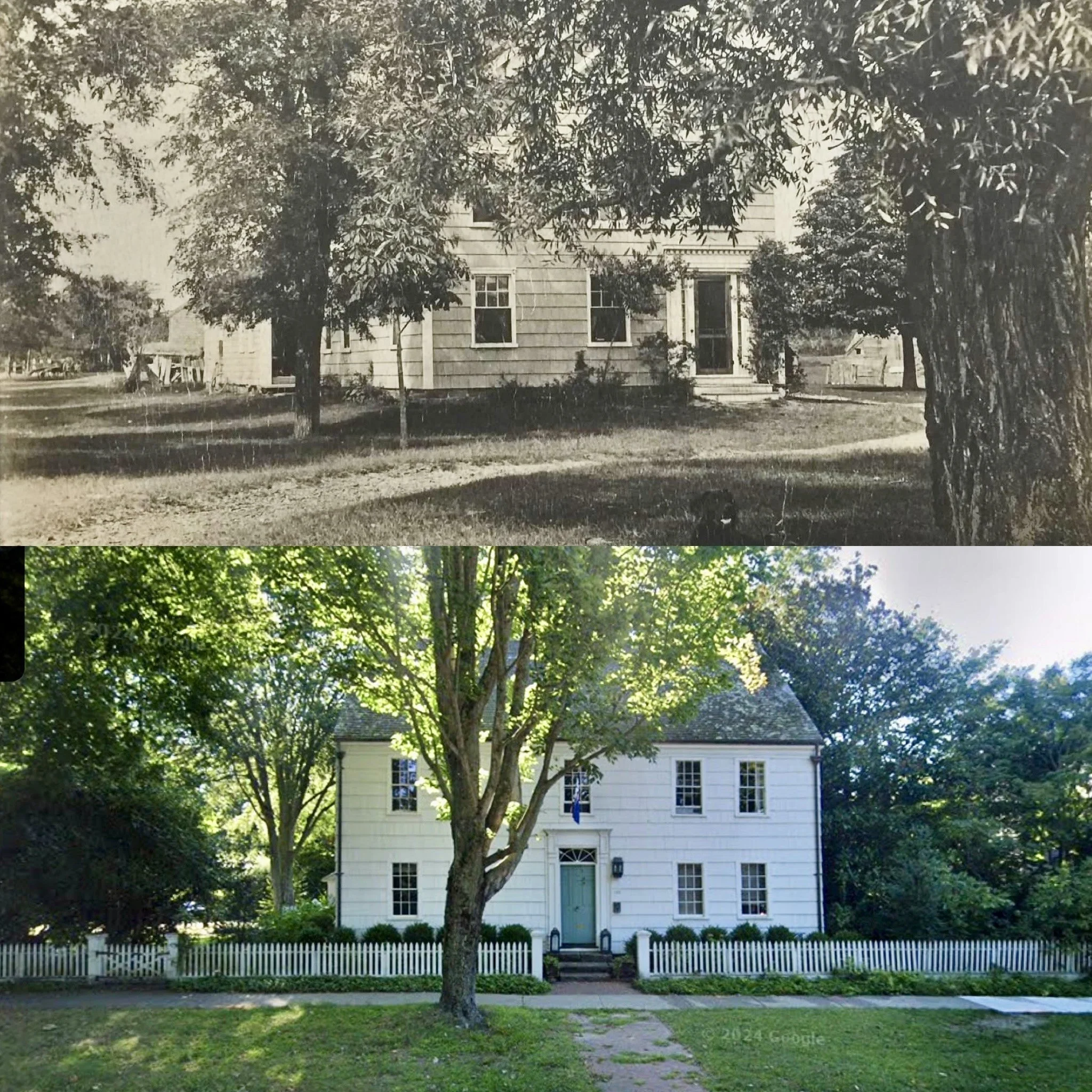
Tale of Two "Sister" Houses – Sherrill or Parsons?
Remember my mentioning "darling sister Puah"? I've hinted about her in previous posts as a mysterious figure mentioned by my grandmother, somehow connected to a house on Main Street.
My new post finally solves the puzzle of ownership of the Federal-style house at 128 Main Street – the one attributed to Samuel and Elizabeth Sherrill when, actually, they never lived there. Who did?
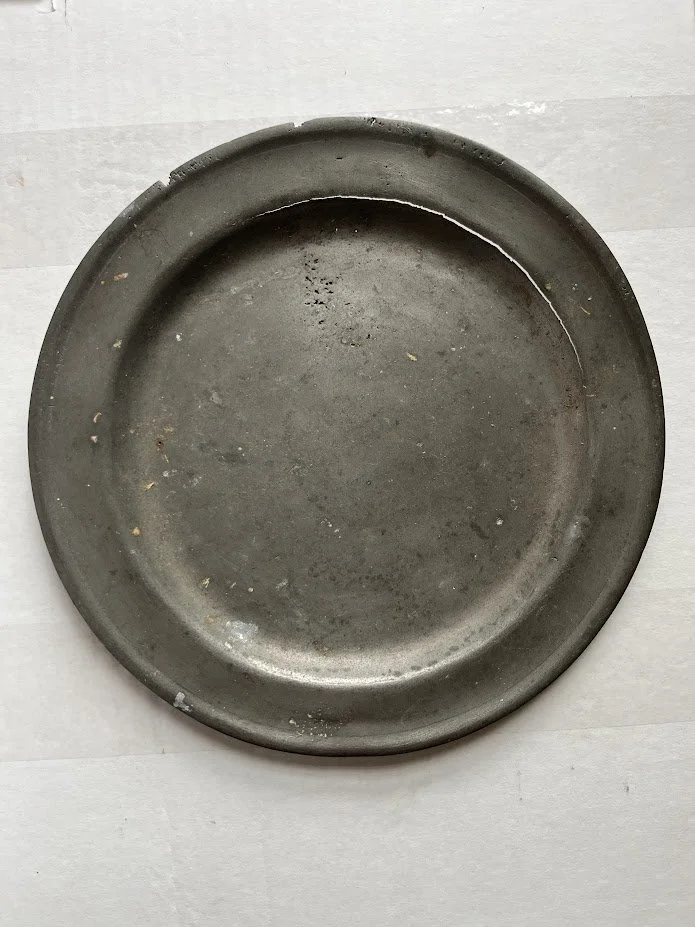
Clues about the Early Sherrills - their Hope Chest and Pewter
I’ve posted about my mother’s research on Sammy’s Beach, her trail researching the first Sherrill back to Cornwood, Devon, and the romantic story of Sammy Sherrill meeting Elizabeth Parsons in Easthampton. But to me questions remained….what happened to them after they married in 1662? Where did they live? And how did the “Sherrill Pewter” and hope chest end up in my grandparents home?
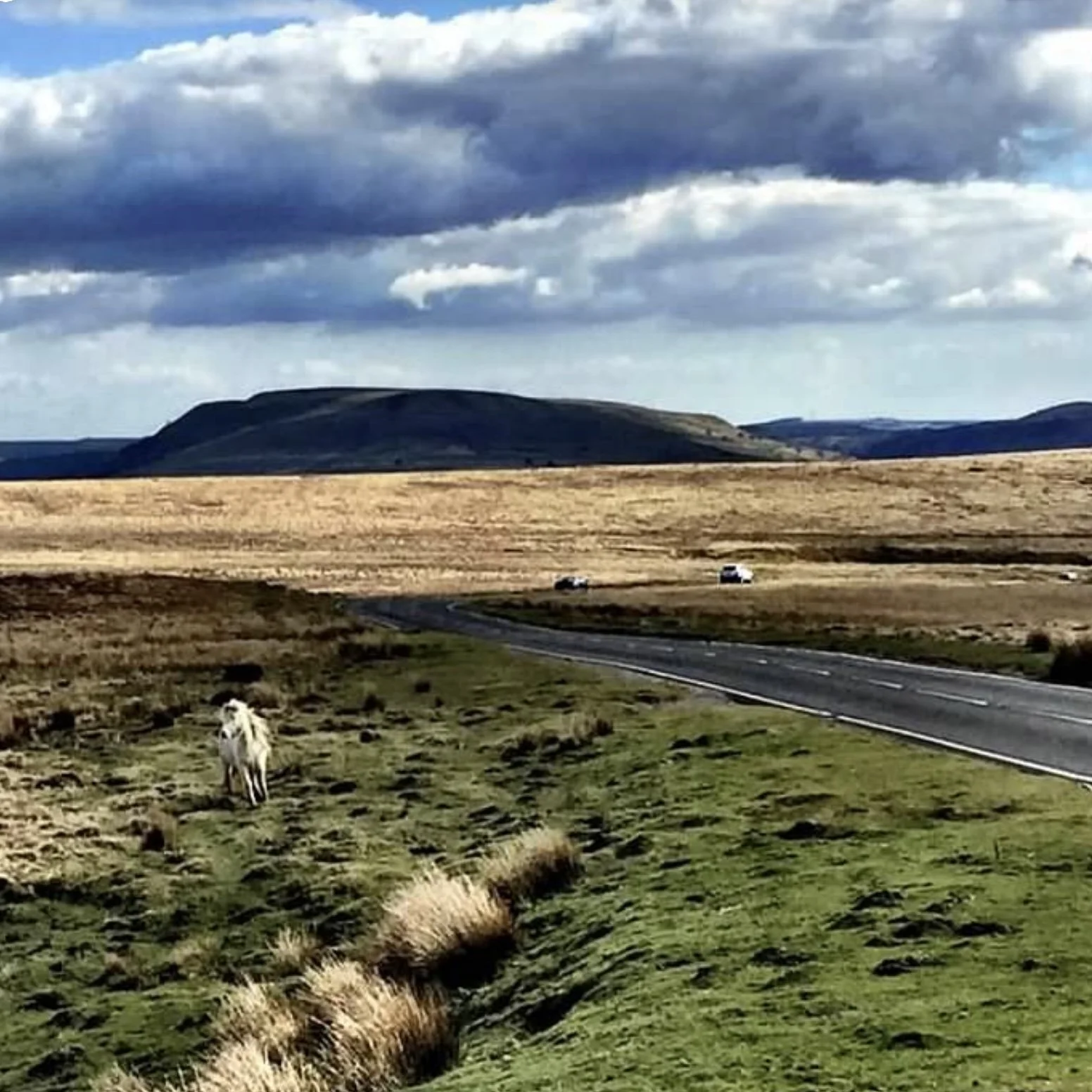
Researching the First East Hampton Sherrill
Introduction: The Bright Hills and Clear Springs of Devon
In my previous post, I shared the romantic legend of how Samuel Sherrill and Elizabeth Parsons met at Sammy's Beach. But that story raised as many questions as it answered. Who was this young sailor? Where did he come from? And how did my mother uncover the truth?
As I sorted through my mother's writings, I came across her essay "Researching the First East Hampton Sherrill c. 1640." I was astounded by the depth of her detective work. I knew she'd traveled to England on a genealogy tour ….
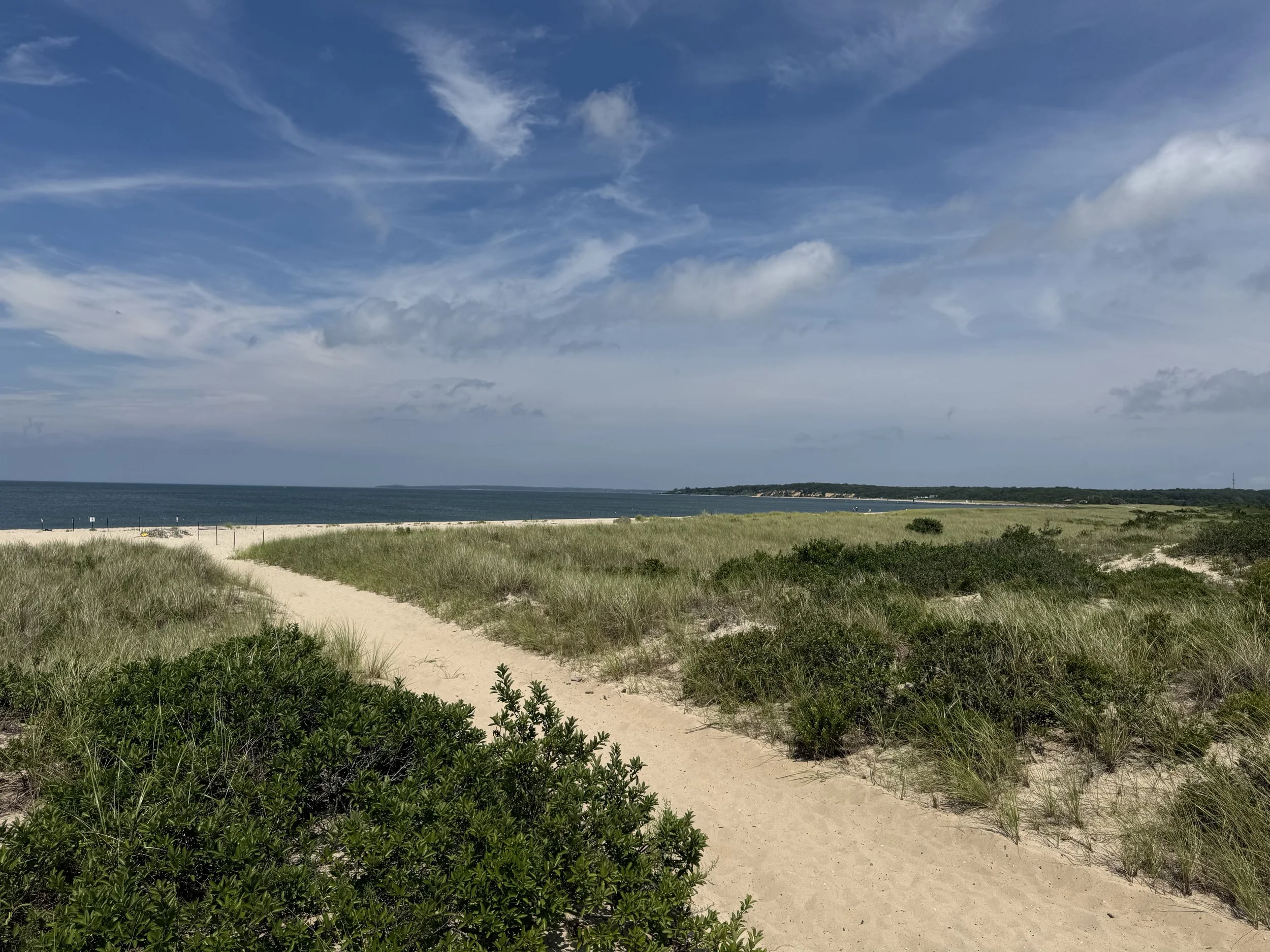
Who is Sammy of Sammy's Beach?
Introduction: a Local Legend and a Romance
Who is Sammy of Sammy's Beach? Did you ever wonder?
We Sherrills all heard the story growing up—it was our family legend about "the first of that name in East Hampton." My grandmother told it to her friend Jeannette Rattray, who included it in East Hampton History (page 544.) For us, it was a charming story.
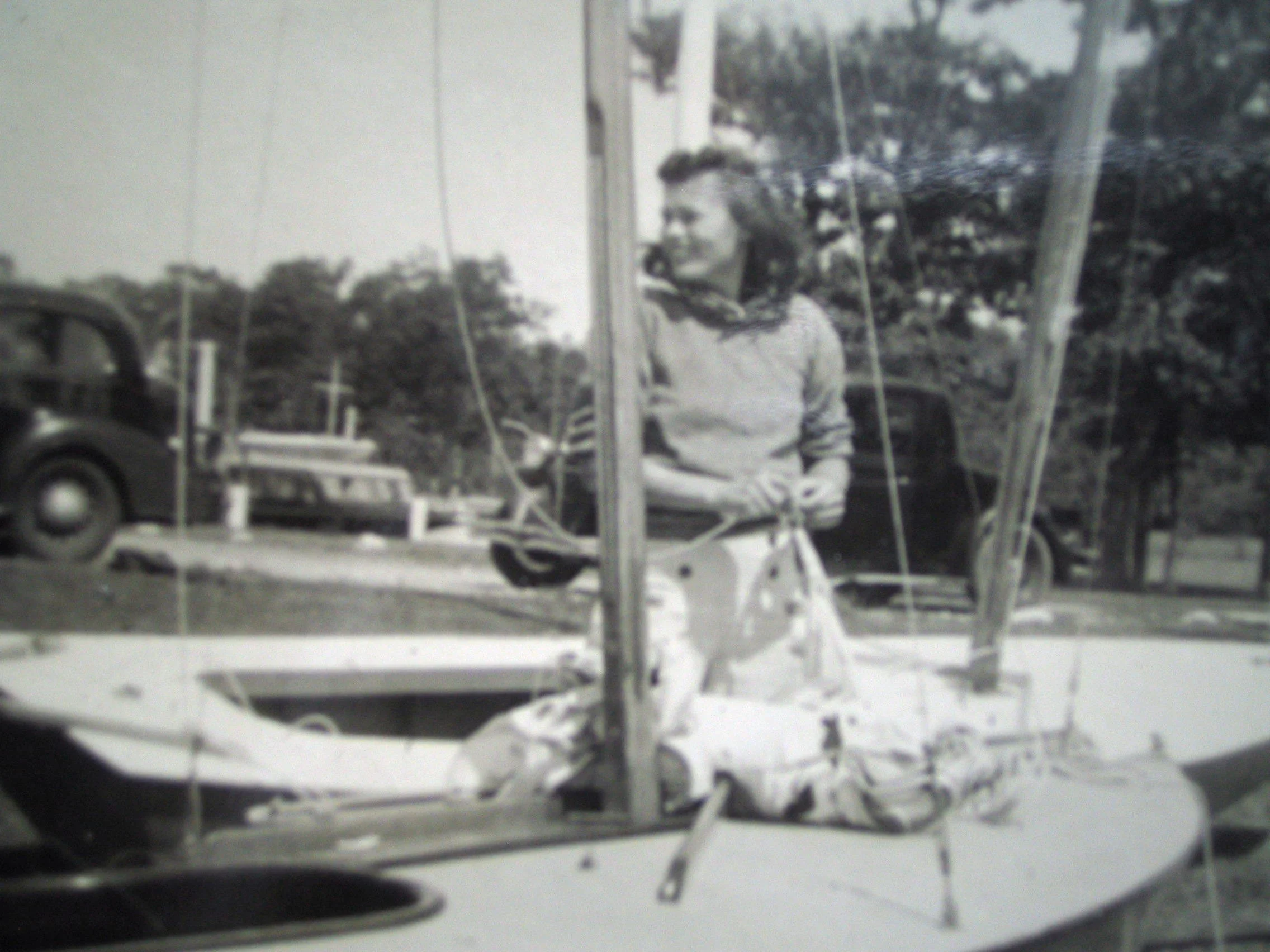
Welcome to Sherrill Diaries, East Hampton
My mother, Sherrill Foster, was East Hampton's town historian and longtime “Around the Green” columnist for The East Hampton Independent. For decades, she dove into archives, tracked down diaries and letters, weaving together the accounts of our town’s early history. She loved the detective work, the discovery, the piecing together of a puzzle. If you knew my mother, you would remember her excitement at finding something unexpected. For her, history was a quest for truth.
Interested in local history? Sign up for Saltair Wayfaring
Comments? Questions? We’d love to hear from you.
Sign up for Saltair Wayfaring, my occasional notes from the shoreline. I’ll let you know when new essays are posted and share reflections along the way.